Table Of Content
- Why Timing Matters in Spinal Treatment
- What Is Spinal Decompression Therapy?
- How Spinal Decompression Therapy Works
- When to Consider Spinal Decompression Therapy
- Benefits of Spinal Decompression Therapy
- What to Expect During Treatment
- Why Choose Dr. Curt Ahern for Spinal Decompression
- FAQs
Spinal decompression therapy is an effective treatment for people suffering from back pain. Many individuals develop discomfort from long hours of sitting, poor posture, or minor spinal injuries. This therapy works by gently stretching the spine, relieving pressure on compressed discs, and promoting natural healing. Patients often report reduced pain, improved mobility, and greater overall comfort during daily activities. Unlike surgery, spinal decompression therapy is non-invasive and safe for most adults. Combined with proper exercise and posture habits, it can help prevent future problems and support long-term spinal health.
Meet Dr. Curt Ahern – Trusted Jackson Chiropractor
Dr. Curt Ahern, a leading chiropractor in Jackson, MI, has been helping patients with spinal issues since 2008. A graduate of the prestigious Palmer College of Chiropractic in Davenport, Iowa, Dr. Ahern also holds a bachelor’s degree in biology from Albion College. He specializes in spinal decompression therapy and advanced patient care protocols, including treatment for personal injuries and pediatric care. Dr. Ahern is nationally board-certified, actively participates in multiple local professional associations, and is dedicated to providing safe, natural healing solutions.
Why Timing Matters in Spinal Treatment
Back pain usually develops slowly. It often starts as mild discomfort. Over time, the condition can become more serious.
Seeking treatment early can prevent the problem from worsening. Starting spinal decompression therapy at the right time can improve recovery and reduce long-term pain.
Several factors can contribute to spinal problems, including:
- poor posture
- heavy lifting
- sports injuries
- disc degeneration
- long periods of sitting
If these symptoms persist, it may be time to visit a spinal chiropractor in Jackson, MI.
What Is Spinal Decompression Therapy?
Spinal decompression therapy is a non-invasive treatment. It gently stretches the spine to reduce pressure on spinal discs.
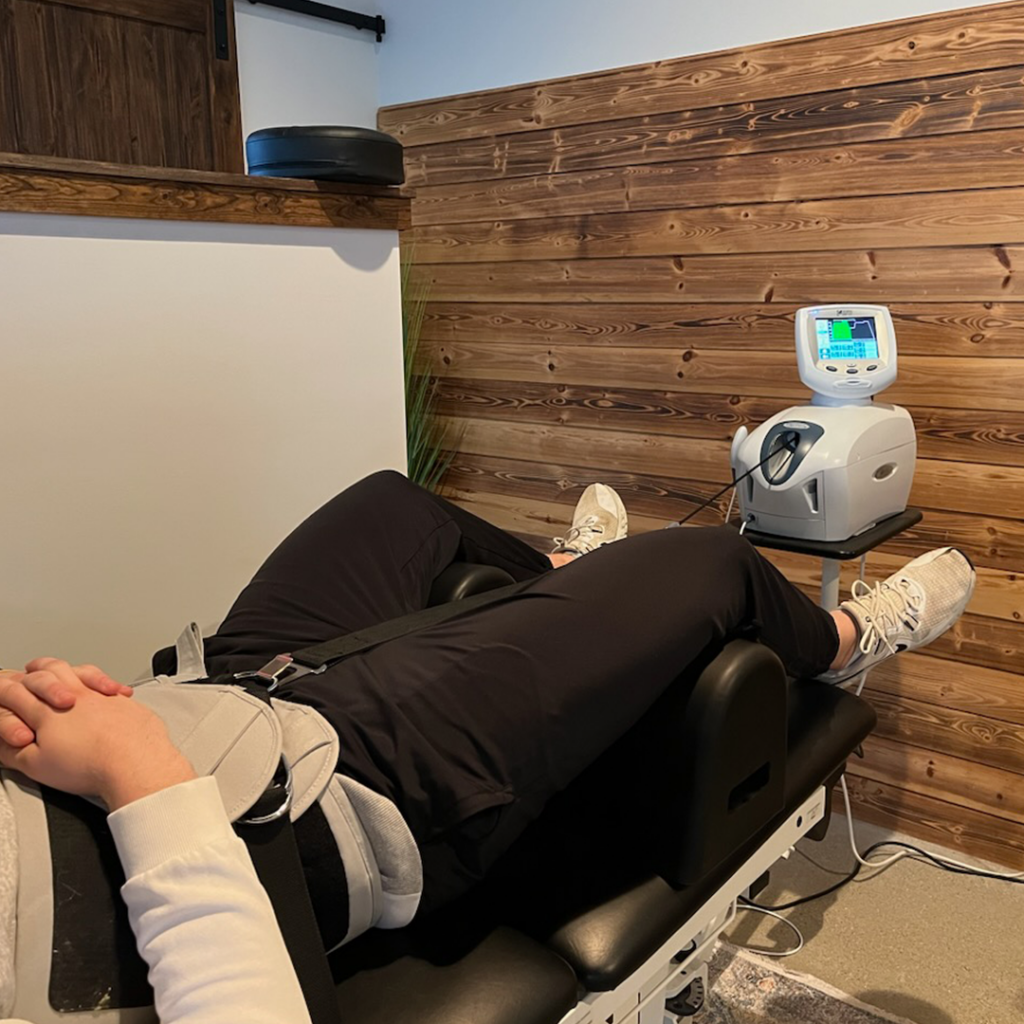
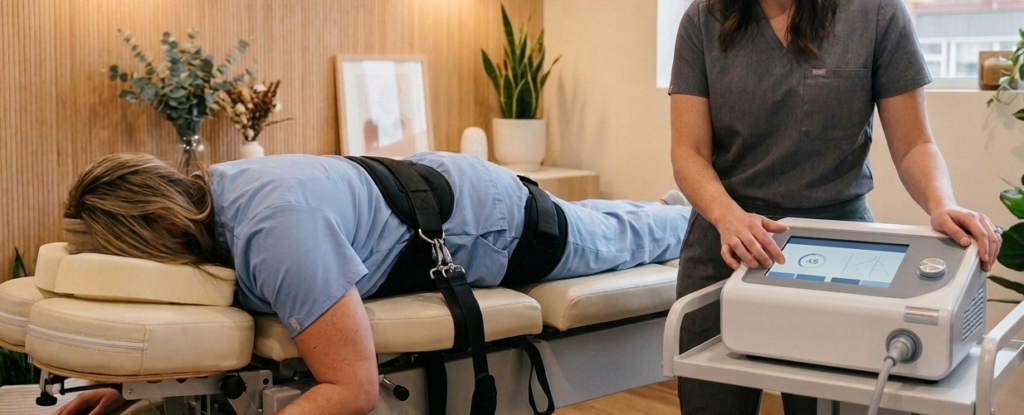
During treatment, patients lie on a specialized decompression table. The table slowly stretches and relaxes the spine in controlled cycles.
This process creates space between the vertebrae. It also helps reduce pressure on nerves.
Many patients choose non-surgical spinal decompression therapy because it treats the root cause of back pain without surgery.
A trained spinal decompression chiropractor adjusts the treatment based on the patient’s condition.
How Spinal Decompression Therapy Works
Spinal discs sit between the bones of the spine. They act as cushions and help the spine move smoothly.
When these discs become compressed, they can irritate nearby nerves. This can cause pain, numbness, or tingling.
Spinal decompression treatment works by gently stretching the spine. This movement creates negative pressure inside the discs.
The process helps:
- relieve pressure on nerves
- improve blood flow
- deliver nutrients to damaged discs
- support natural healing
Many patients receive recovery spinal decompression treatments to help restore spinal health.
When to Consider Spinal Decompression Therapy
Persistent Back Pain
If back pain lasts for several weeks, it may indicate a deeper spinal issue. Spinal decompression therapy can help relieve pressure on the affected discs.
After a Back Injury
Sports injuries or lifting heavy objects can compress spinal discs. Early non-surgical spinal decompression treatment may reduce inflammation and help speed up recovery.
When Nerve Pain Appears
Symptoms like numbness or tingling may indicate nerve compression. A spinal decompression chiropractor can evaluate the condition and recommend treatment.
When Surgery Is Being Considered
Some patients consider decompression therapy before opting for surgery. Non-surgical spinal decompression therapy may help reduce symptoms without invasive procedures.
Benefits of Spinal Decompression Therapy
Patients choose decompression therapy for several reasons.
Non-Surgical Treatment
The therapy does not involve surgery or injections.
Pain Relief
Reducing pressure on spinal discs can ease back pain and nerve irritation.
Faster Healing
Improved circulation supports tissue repair and recovery.
Improved Mobility
As nerve pressure decreases, many patients experience better movement and flexibility.
What to Expect During Treatment
A typical session is simple and comfortable.
During treatment:
- The patient lies on a decompression table.
- A harness is placed around the body.
- The table gently stretches the spine.
Sessions usually last about 20 to 30 minutes. Several treatments may be needed for the best results.
Why Choose Dr. Curt Ahern for Spinal Decompression
Dr. Ahern combines experience, trust, and proven techniques to deliver personalized care. His advanced training in spinal decompression therapy ensures that every patient receives treatment tailored to their specific condition. By visiting Dr. Ahern, patients in Jackson, MI, can restore spinal health safely and naturally while avoiding invasive procedures.
FAQs
What is spinal decompression treatment?
It is a non-surgical therapy that gently stretches the spine. The treatment reduces pressure on spinal discs and nerves.
Does spinal decompression work?
Many patients experience pain relief and improved mobility after treatment. Results may vary depending on the condition.
How serious is spinal decompression surgery?
Surgical decompression procedures carry risks and recovery time. Non-surgical therapy offers a safer alternative for many patients.